
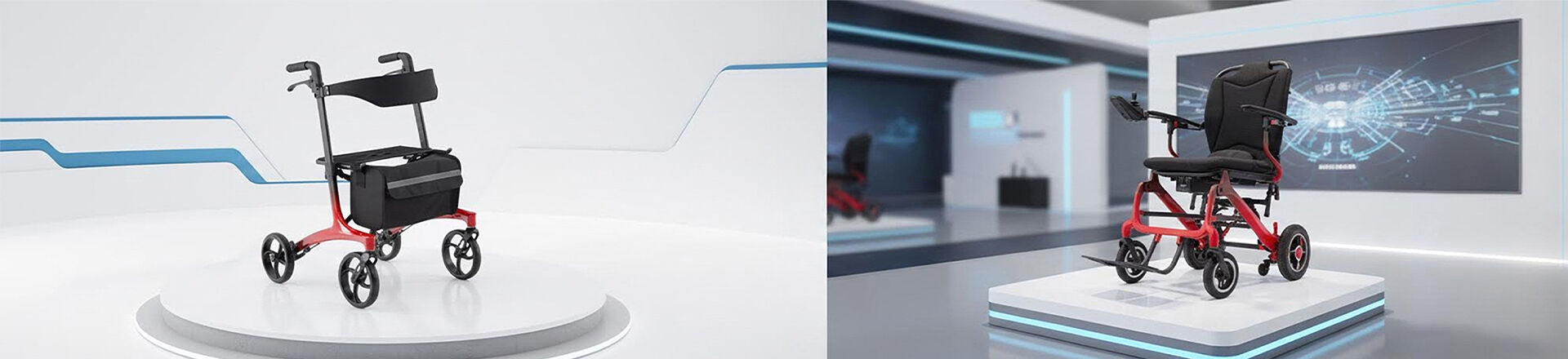
The pursuit of transcendence in mobility technology is a journey that moves far beyond mere mechanics and into the realm of human dignity, autonomy, and expression. It is a discipline where engineering rigor must harmonize with the subtleties of daily lived experience. At the heart of this philosophy lies our proprietary carbon fiber matted finishing process—a symphony of advanced materials science, precision engineering, and almost artisanal meticulousness. This is not a mere aesthetic choice or a final-stage application; it is a fundamental re-engineering of the material’s very interface with the world. The resultant matte wheelchair is a testament to a belief that every detail, down to the way light interacts with its surface, plays a crucial role in enhancing the user’s life. This process, both complex and deliberate, transforms the wheelchair from a clinical apparatus into a dignified, high-performance extension of the individual.
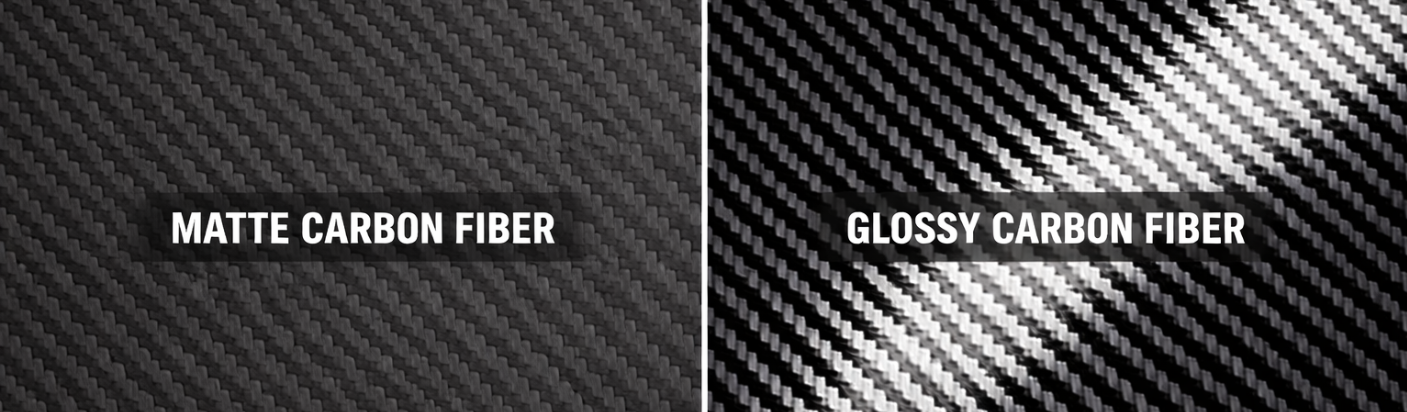
The journey to a flawless, consistent matte finish is a narrative written at the molecular level, demanding an uncompromising control over variables that most manufacturing processes merely aim to standardize. To appreciate its complexity, one must first understand the conventional alternative. Typical glossy finishes on composites are often achieved post-cure, through the application of a clear, reflective gel coat or lacquer. This adds a separate layer that sits atop the structural material, introducing potential points of failure such as peeling, cracking, or yellowing, and often adding negligible but unnecessary weight.
Our process rejects this additive approach. Instead, we engineer the non-reflective property into the composite laminate during its very formation. The alchemy begins with specially formulated, low-shrinkage epoxy resin systems, doped with meticulously selected fillers and additives that influence viscosity and surface tension. This proprietary resin blend is impregnated into the layers of high-modulus carbon fiber fabric, each layer laid with precise orientation to dictate the part’s strength and flex characteristics.
The true catalyst for the matte finish, however, is the tooling. Our molds are not simply smooth, polished cavities. They are engineered with a microscopic, stochastically textured surface—a landscape of peaks and valleys measured in microns. This texture is not random; it is designed to optimize light diffusion. As the carbon fiber layup is sealed within a vacuum bag and subjected to precise heat and pressure cycles inside an autoclave, a critical interaction occurs. The resin, in its liquid polymer state, is pressed with immense force against this textured mold surface. It flows into and perfectly replicates every minute detail of this engineered topography. The subsequent curing process locks this replicated texture permanently into the surface of the part itself.
The physics of this are elegant. A glossy surface is smooth at a microscopic level, acting like a mirror that reflects light in a single, coherent direction, creating sharp highlights and glare. Our matte surface, with its complex micro-terrain, acts as a light-diffusing field. When photons strike this irregular surface, they are scattered in a multitude of directions. This omnidirectional scattering cancels out the intense, specular reflection, replacing it with a soft, even, velvety luminance. The "color" of the carbon fiber—often a deep, woven black—appears richer and more saturated, as it is viewed directly, not through a layer of distracting shine. The margin for error is infinitesimal; a deviation of a few degrees in temperature, a fluctuation in autoclave pressure, or a slight imbalance in the resin chemistry can alter the replication fidelity, leading to inconsistencies in the matte effect. Thus, the process is governed by a regime of sensor-driven control and unwavering discipline.
The profound investment in this complex surface technology yields a multifaceted reward structure that touches every aspect of the wheelchair’s interaction with its user and environment.
1. The Practical & Functional Domain: Engineered for Real-World Use
The functional benefits are immediate and tangible, addressing daily challenges often overlooked.
Visual Ergonomics and Safety: Glare is not merely an annoyance; it is a visual hazard that can cause eye fatigue, obscure critical details, and reduce situational awareness. Our matte finish eliminates this problem comprehensively. In the harsh, direct lighting of a hospital corridor, under the midday sun, or in the uneven illumination of a home, the user’s view of their chair’s frame, its controls, brake levers, and footrests remains clear and undistorted. This reduces cognitive load, enhances safety during maneuvers and transfers, and provides a more visually serene experience throughout the day.
Superior Tactility and Grip: Surface texture informs grip. A high-gloss finish can become slippery, particularly with damp or perspiring hands—a common scenario during active use or when transferring. The micro-texture of our matte finish provides a subtly higher coefficient of friction. It feels secure, solid, and confident to the touch. This improved grip aids in self-propulsion, during transfers where hands brace against the frame, and in everyday handling, offering an intuitive sense of control and connection with the device.
Uncompromised Durability and Stealth Armor: Daily life is abrasive. Contact with doorframes, car doors, elevator walls, and handling equipment is inevitable. A glossy surface, like that of a black car, acts as a highlight reel for every micro-scratch and swirl mark, making wear painfully visible. The matte finish, with its innate light-diffusing property, is exceptionally forgiving. Fine scratches and abrasions blend into the textured landscape, becoming virtually invisible. The chair maintains its “like-new” appearance for years, not months. This is not a coating that can wear through; it is the wear layer itself, engineered to be resilient.
Simplified Maintenance and Pristine Presence: The matte surface actively resists the visual accumulation of daily grime. Fingerprints, dust, and light water spots do not cling to the surface with the same glaring obviousness as they do on a gloss finish. A simple wipe with a damp cloth is often sufficient to restore its impeccable, understated appearance. This ease of care reinforces pride of ownership and ensures the chair always looks intentionally designed, not merely serviced.
2. The Psychological and Aesthetic Domain: Redefining Identity
Perhaps the most profound impact of the matte finish lies in its power to reshape perception—both the user’s self-perception and society’s view of assistive technology.
Destigmatization through Design Language: For too long, medical equipment has been synonymous with a cold, clinical, and impersonal aesthetic—often a shiny, sterile gloss that evokes institutions rather than individuality. Our matte finish decisively breaks from this tradition. It speaks the contemporary language of premium consumer electronics, high-end athletic gear (like matte-finished carbon fiber bicycles or helmets), and luxury automotive interiors. This semantic shift is powerful. It frames the wheelchair not as a symbol of limitation, but as a pinnacle of personal technology and athletic performance. It conveys sophistication, confidence, and quiet strength.
Authentic Materiality and Emotional Connection: By removing the reflective barrier, the finish allows the true soul of the material to shine through. The deep, lustrous hues and the iconic woven pattern of the carbon fiber are presented in their authentic state. Users can appreciate the intricate beauty of the material that gives their chair its legendary strength and lightness. This authenticity fosters a deeper emotional connection. The chair becomes an object of pride, a piece of integrated design that reflects personal taste. It transitions from a “medical device” issued to a patient, to a “personal mobility platform” chosen by an individual.
A Foundation for Personal Expression: The neutral, sophisticated canvas of the matte finish provides the perfect backdrop for personalization. Whether through the selection of component colors, custom upholstery, or accessories, the user’s style becomes the highlight. The chair itself does not shout; it elegantly supports and frames the user’s identity, becoming a seamless extension of their personal narrative.
Critically, this entire spectrum of benefits is achieved with zero sacrifice to the core performance attributes that make carbon fiber legendary. The finish is not an applied layer; it is the integral surface of the structural monocoque. This means there is no added weight, no risk of delamination, and no compromise to the sublime strength-to-weight ratio, the responsive stiffness, or the vibration-dampening qualities that protect the user from repetitive stress. The integrated finish also offers superior UV stability, resisting the yellowing and degradation that can plague coated surfaces, and provides excellent resistance to common chemicals and cleaners.
In the final analysis, our carbon fiber matted process is far more than a manufacturing technique; it is a philosophical stance on what mobility technology should be. It represents a holistic understanding that innovation is not solely about making a chair lighter or stronger in a laboratory sense. True innovation lies in perfecting the interface—the point where human life meets engineered object.
It addresses the nuanced realities of existence: the need for visual comfort in a bright world, the desire for a tool that ages with grace and dignity, the yearning for belongings that affirm rather than undermine one’s sense of self. The intense complexity of the process—the bespoke resins, the nano-engineered molds, the ballet of heat and pressure—is justified entirely by the profound simplicity of the outcome: a wheelchair that feels right, looks right, and works impeccably in the context of a full, active, and self-defined life. It stands as a quiet declaration that in the pursuit of excellence, every detail matters, especially the one that meets the light and the hand, every single day.
 EN
EN